
The Complete Guide to Land Freight Logistics: Exporting Polymers from Iran to Iraq 🇮🇶
The Republic of Iraq stands as Iran’s most vital non-oil trading partner, with polymers and petrochemicals representing a core component of this trade. While sea routes offer volume, the geographically unique proximity dictates that land freight is the primary, most strategic method for polymer export from Iran to Iraq. This logistical advantage offers unparalleled speed and cost-effectiveness, delivering a vast range of compounds from high-strength PE (Polyethylene) grades to versatile PP (Polypropylene) compounds. directly to the processing facilities in Erbil, Baghdad, or Basra.
This comprehensive guide is designed for shippers, importers, and procurement managers seeking reliable, expert insight into mastering the complexities of the Iran-Iraq land corridor, ensuring your polymer compounds arrive swiftly and compliantly.
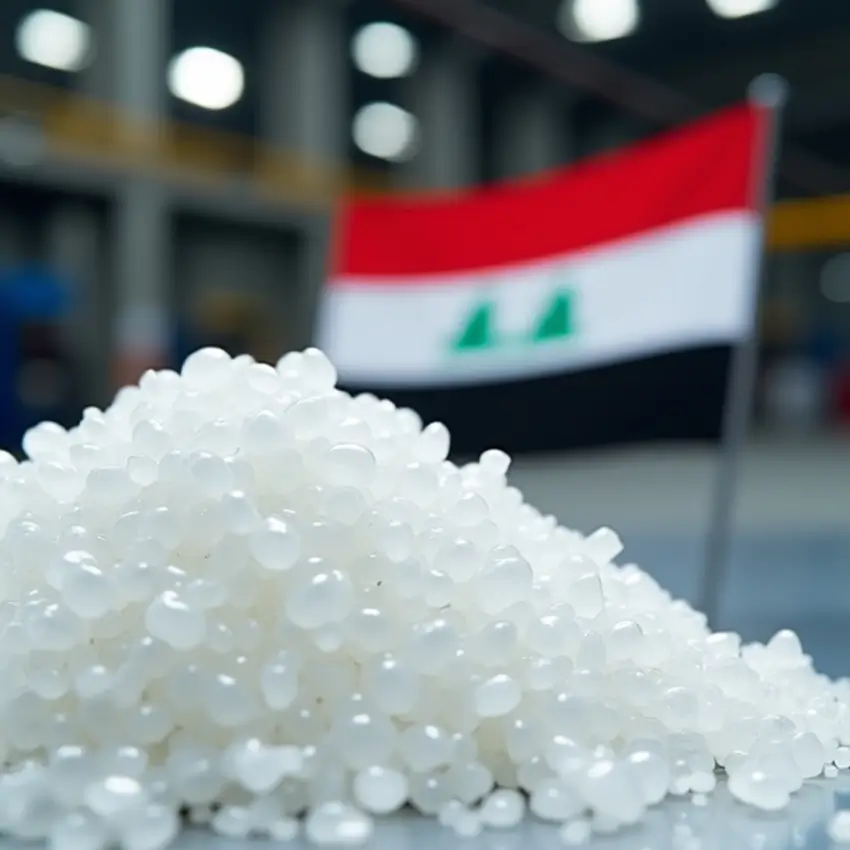
Need Reliable Polymer Supply to Iraq?
Explore the technical specifications of the PE and PP compounds we export and let our expertise guide your logistics strategy.
Why Land Freight is the Primary Choice for Iraq Imports 🇮🇶
Choosing the correct logistical path is crucial for profitability. For the polymer trade with Iraq, road transport consistently outperforms sea freight due to several strategic factors, directly impacting your supply chain efficiency and risk management:
Superior Speed-to-Market: Land freight dramatically reduces overall transit time, often cutting delivery from the Iranian loading point (e.g., Tabriz or Tehran) to the Iraqi destination to just 3 to 7 days, a speed critical for manufacturers operating on tight production schedules.
Cost-Effective Regional Delivery: By eliminating multiple transshipment points (port handling fees, warehousing, terminal costs), road transport offers a simplified, often more competitive, cost structure for direct delivery.
Door-to-Door Control: Land freight provides seamless door-to-door service, minimizing the risk of damage or theft associated with multiple cargo transfers, maintaining the integrity of sensitive materials like PP Copolymer or specialized PE pipe grades.
Flexibility and Accessibility: Trucks offer greater flexibility in scheduling and can access inland industrial zones in Iraq (where manufacturing centers are often located) that ports cannot directly serve.
Key Border Crossings & Target Markets Explained 🇮🇶
Successfully navigating polymer export to Iraq hinges on a single, critical decision: selecting the most strategic border crossing. This choice goes far beyond geography, directly impacting financial outcomes and supply chain reliability. For procurement managers, the correct route minimizes transit risks, controls unexpected costs, and ensures the material arrives compliant with regional customs rules. The Iraqi market is highly segmented; specific delivery points require specialized knowledge from accessing the Kurdish region via Bashmagh to servicing central industrial zones through Mehran. Mastering this essential risk assessment is key to guaranteeing your polymer supply aligns perfectly with the manufacturing schedule in Iraq.
Route 1: Bashmagh (for Sulaymaniyah & Erbil) 🇮🇶
The Bashmagh border crossing is the most efficient gateway for accessing the Kurdistan Regional Government (KRG) territory specifically the highly active industrial zones around Sulaymaniyah and Erbil.
Target Market: Northern Iraq (KRG region).
Key Advantage: Known for streamlined KRG customs procedures and generally lower transit risks. This route is favored for supplying materials like HDPE for utility pipes used in regional infrastructure projects.
Logistical Focus: Requires familiarity with KRG-specific import regulations, which may differ from Central Iraq’s federal rules.
Route 2: Mehran (for Baghdad & Central Iraq) 🇮🇶
Mehran is a highly active and historically significant crossing, serving as the main arterial route for shipments destined for the capital and the central plains.
Target Market: Baghdad, Karbala, Najaf, and other central provinces.
Key Advantage: Direct access to the highest-demand consumer and construction markets. This route is crucial for LDPE and [PP Film grades] destined for the packaging industry.
Logistical Focus: Shipments via Mehran are subject to the stricter, centralized federal customs procedures of the Iraqi government.
Route 3: Shalamcheh (for Basra & Southern Iraq) 🇮🇶
Located near the Persian Gulf, Shalamcheh is the primary crossing for servicing the southern provinces.
Target Market: Basra, Maysan, and the southern industrial hubs.
Key Advantage: Ideal for bulk shipments and those destined for large-scale energy sector projects located in the south.
Logistical Focus: While a key route, congestion and security considerations can influence transit times more than the northern routes.
The Step-by-Step Trucking & Customs Process 🇮🇶
Successfully navigating the Iran-Iraq polymer export corridor depends on flawless execution across three distinct phases. For procurement managers, understanding these steps is key to mitigating transit risks and controlling unexpected operational costs. Minor lapses in documentation or timing at any point can severely disrupt production schedules and erode profitability. This crucial process involves:
Step 1: Loading & Iranian Export Formalities 🇮🇶
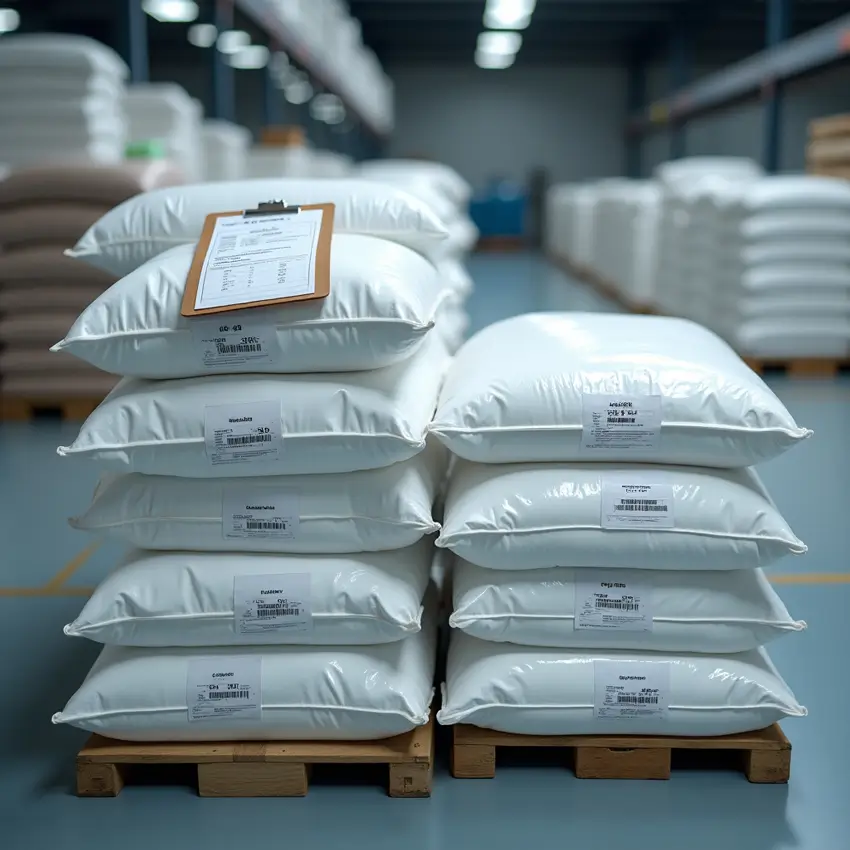
The journey begins with the meticulous loading of the polymer cargo (e.g., 25kg bags or Jumbo Bags) onto the designated truck at the warehouse.
Key Requirement: Securing the Iranian Export Declaration (DPL) and obtaining the necessary permits from the relevant petrochemical authorities before the truck departs the origin city.
Customs: Finalizing Iranian customs clearance (Export Formalities) at the official border terminal (e.g., Bashmagh Customs Yard).
Step 2: Transit & Border Crossing Procedures 🇮🇶
This stage involves the physical transfer of the cargo from Iranian to Iraqi territory, which is often the most time-sensitive phase.
Key Requirement: The truck must comply with all international transport conventions. The driver must present the Trucking Manifesto and the Bill of Lading (B/L) at the border post.
Inspection: The truck undergoes physical inspection and scanning by both Iranian and Iraqi border authorities before receiving the necessary stamp to proceed.
Step 3: Iraqi Customs Clearance & Final Delivery 🇮🇶
Once past the border, the cargo is officially in Iraq and proceeds to the final customs checkpoint, often at an inland dry port or the destination city.
Key Requirement: The Iraqi importer must present the complete set of documents, including the [Certificate of Origin (CO)] and the Commercial Invoice, for final duty assessment.
Final Step: Upon successful clearance and payment of duties/taxes, the cargo is released for final, direct delivery to the client’s warehouse or factory floor, completing the land freight logistics chain. Amizeh Polymer Spadana ensures full documentation support to prevent customs delays.
Proactive Risk Mitigation: Ensuring Polymer Supply Continuity 🇮🇶
Successfully exporting polymers through a complex land corridor like the Iran-Iraq route demands a rigorous approach to risk. For procurement managers, mitigating exposure to unexpected costs (like demurrage) and supply interruptions is paramount. Amizeh Polymer Spadana implements a three-pronged strategy to ensure supply continuity and financial predictability, transforming potential challenges into managed variables:
Pre-Transit Documentation Vetting and HS Code Auditing 🇮🇶
The single greatest cause of border delay is documentation error. We treat the paperwork as seriously as the cargo itself.
HS Code Verification: Before shipment, every grade be it LDPE for film or PP Homopolymer for molding undergoes an audit to confirm its precise 6-to-10-digit Harmonized System (HS) Code. This proactive step prevents valuation disputes and duty miscalculations at the Iraqi customs terminals (Mehran, Bashmagh, etc.), eliminating the root cause of fines and cargo hold-ups.
Customs Regime Alignment: We align documents with the specific customs regime of the final destination (KRG vs. Federal Iraq), ensuring the Certificate of Origin (CO) and Commercial Invoice meet the exact regional legal requirements.
Contingency Planning for Border Congestion and Closures 🇮🇶
The political and operational volatility of the borders requires robust backup planning to guarantee “just-in-time” delivery metrics.
Alternate Route Protocols: While a primary route is always chosen for efficiency, we maintain real-time tracking of congestion at adjacent borders. In the event of unexpected closure (e.g., due to local holidays or political events), pre-approved protocols allow for swift redirection of trucks to viable alternate crossings.
Buffer Stock and Warehousing: For high-volume clients, a small, strategically managed buffer stock can be held at a secure Iranian warehouse near the border, providing a safety net against short-term border processing delays without compromising the agreed-upon lead time.
Comprehensive Cargo Insurance and Liability Management 🇮🇶
Financial security against unforeseen physical loss or damage during the long land transit is non-negotiable.
All-Risk Cargo Insurance: We advise and secure comprehensive “All Risks” marine insurance coverage, which extends to land transit. This policy protects the client’s investment against a range of hazards specific to the road environment, including theft, accidents, and force majeure events.
Transparency in Liability: Clear delineation of responsibility (Incoterms) is established upfront. Our team manages the logistics chain to ensure that liability for the cargo is seamlessly transferred, providing the buyer with full transparency and recourse throughout the trucking phase until final delivery.
Frequently Asked Questions (FAQ)
How does the choice of border crossing (Bashmagh vs. Mehran) affect customs procedures?
The border crossing determines the specific customs jurisdiction. Bashmagh primarily serves the Kurdistan Regional Government (KRG), which often has a more streamlined, regionally-focused clearance process. Mehran and Shalamcheh shipments fall under the Federal Iraqi Customs Authority, which may involve stricter, centralized protocols and potentially different valuation rules for duties.
What is the maximum transit time expected for land freight from the Iranian warehouse to Baghdad?
The average transit time from the loading point in Iran (e.g., Tehran/Tabriz) to Central Iraq (Baghdad) via the Mehran corridor typically ranges from 5 to 7 days. This duration accounts for driving time and standard border/customs processing, assuming all documentation is prepared flawlessly beforehand.
What packaging standards are mandatory for polymer compounds shipped to Iraq by road?
While 25kg PE-lined bags and Jumbo Bags (FIBCs) are the standard, the critical mandate is moisture control. Due to potential delays at border queues and humidity variations, specialized packaging with desiccants is highly recommended to maintain the integrity of moisture-sensitive grades, particularly PP Homopolymer.
How can a buyer mitigate the risk of demurrage (delay charges) at the border?
The most effective mitigation strategy is flawless documentation and expert coordination. Delays are almost always caused by incomplete paperwork or inaccurate HS Codes. Partnering with a logistics specialist like Amizeh Polymer Spadana ensures that all Iranian export declarations and required Iraqi import documents are pre-vetted and processed efficiently, minimizing truck idle time at the crossing
Streamline Your Polymer Export to Iraq with Amizeh Polymer Spadana
Mastering the complexities of land freight routes for polymer export from Iran to Iraq provides a clear competitive edge, minimizing lead times and maximizing supply reliability. Amizeh Polymer Spadana leverages its extensive border expertise to provide fully managed solutions, ensuring compliance and efficiency from the loading dock to your final receiving point.
Our team has complete expertise in managing land freight to Iraq. To view the grades ready for export through official border crossings, use the links below:
Ready to Ship?
Don’t navigate the borders alone. Contact our logistics specialists today for tailored support and competitive freight quotes for your next polymer shipment to Iraq.
Now that you understand our rapid land logistics, explore our export-ready polymer compounds. Our team manages the secure land transport process for buyers in Iraq.
View PE Compounds (for Iraq) View PP Compounds (for Iraq)