
Recycled Polypropylene (pp) Compounds in Iran
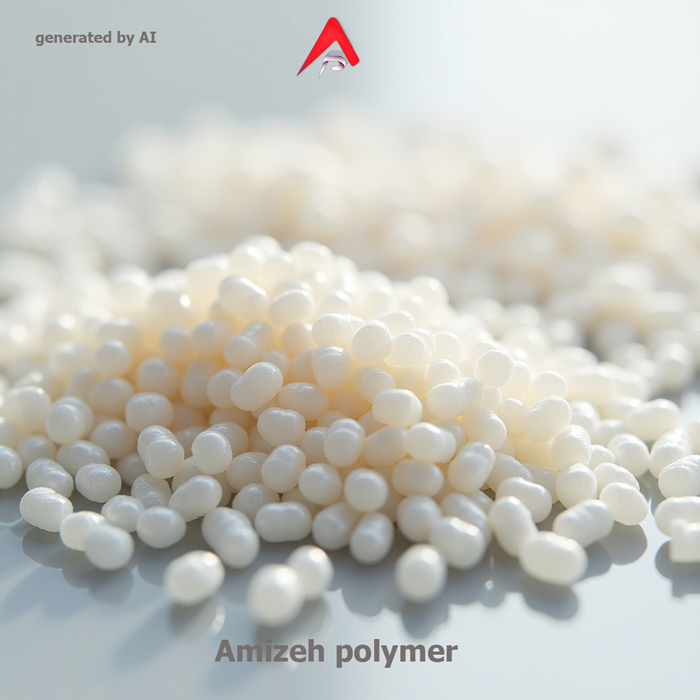
Recycled PP Compound is one of the key types of polypropylene, produced by reprocessing post-industrial or post-consumer waste into high-quality materials. It is widely used in industries such as automotive, packaging, and household goods, offering both economic and environmental benefits.
To explore other grades and applications of polypropylene compounds, visit our PP Compound in Iran page.
What is Recycled PP Compound?
Recycled Polypropylene (PP) Compound is a high-performance thermoplastic made by processing and re-engineering post-industrial or post-consumer polypropylene waste. In Iran, demand for recycled PP compounds is increasing due to their cost-effectiveness, environmental advantages, and suitability for various industries including automotive, packaging, and construction.
Compared to virgin PP, recycled PP compounds provide manufacturers with a competitive edge by lowering material costs without sacrificing functional performance.
Looking for a reliable PP compound supplier from Iran?
Contact us now via WhatsApp or phone for quick support.
How is Recycled PP Compound Produced?
The production of recycled PP compound is a key step toward creating sustainable polypropylene products while reducing plastic waste. In Iran, many PP compound suppliers follow advanced processes to ensure the material meets both domestic and international standards.
Step-by-step process:
Collection & Sorting – Post-consumer and post-industrial polypropylene waste is collected from packaging, automotive parts, and industrial scrap. Materials are sorted to separate PP from other plastics like PE or PET.
Cleaning & Washing – Waste PP is thoroughly washed to remove labels, adhesives, dust, and other contaminants, ensuring a cleaner polypropylene compound output.
Shredding / Granulation – The cleaned PP is shredded into small flakes or granules, making it easier for further processing.
Drying – Moisture is removed to avoid defects in the recycled PP compound during extrusion.
Melt Extrusion & Filtration – Flakes are melted and filtered to eliminate impurities, producing a purer, higher-quality sustainable polypropylene compound.
Compounding – The molten PP is blended with additives such as stabilizers, fillers (e.g., calcium carbonate), or color masterbatch to meet client specifications — a step crucial for PP compound in Iran targeting automotive or packaging applications.
During the compounding stage, additives such as stabilizers, fillers, or color masterbatch are blended to achieve specific properties. Many manufacturers require tailored formulations — learn more about our Custom PP Compounds.Pelletizing – The finished compound is cut into uniform pellets ready for use in injection molding, extrusion, or other manufacturing.
Quality Control – Properties like melt flow index, tensile strength, and recycled content ratio are tested to meet ISO or ASTM standards, making Iran PP suppliers competitive in global markets.
What are the benefits of using recycled polypropylene (PP) compounds in manufacturing?
- Minimizes Plastic Waste: Recycled PP helps turn waste into usable material, reducing landfill burden and pollution.
- Delivers Reliable Performance: Modern recycling and compounding techniques ensure consistent mechanical and thermal properties.
- Reduces Raw Material Costs: Offers a cost-effective alternative to virgin PP while maintaining product quality.
- Enables Circular Manufacturing: Encourages reuse of materials, aligning with sustainability goals and green production strategies.
- Ideal for High-Volume Applications: Suitable for automotive parts, packaging, and consumer goods where both price and performance matter.
- Lowers Carbon Footprint: Using recycled materials contributes to lower energy consumption during production.
- Enhances Brand Sustainability Image: Companies using recycled PP appeal more to eco-conscious markets and consumers.
Target Export Markets for Iran's Recycled PP Compounds
Iran’s strategic position and competitive raw material access make it an ideal hub for exporting Recycled PP compounds. Demand for cost-effective, sustainable materials is particularly high in:
Regional Markets: Turkey, Iraq, and Pakistan seek high-volume, quick-turnaround supplies for automotive interiors, construction materials, and non-food packaging.
Central Asia & CIS: Countries in Central Asia value the logistical simplicity and competitive CIF pricing offered by Iranian suppliers.
Competitive Pricing Edge: Recycled PP offers a significant cost advantage over virgin grades. Our efficient production process allows us to provide this material at a competitive rate, ensuring maximum profitability for manufacturers focused on price-sensitive consumer goods.
Reliable Supply Chain: Our established export logistics ensure that large-volume orders are shipped on time, minimizing supply chain risks for international buyers.
Ensuring Traceability and Supply Chain Integrity for Recycled Content
For global brands, the key challenge with recycled materials is ensuring the integrity and origin of the content. At Amizeh Polymer Spadana, we address this through rigorous documentation:
Post-Consumer vs. Post-Industrial Tracking: We differentiate and track PCR (Post-Consumer Recycled) and PIR (Post-Industrial Recycled) inputs separately to meet specific client mandates.
Mass Balance & Documentation: We provide the necessary documentation and traceability data to enable our customers’ Mass Balance accounting, which is essential for reporting requirements related to third-party certifications (like ISCC PLUS).
Transparency of Sourcing: Our process ensures transparent sourcing, allowing our customers to confidently report their sustainable raw material usage and comply with international packaging and recycling directives.
Managing Mechanical Properties of Recycled PP: A Technical Approach
While recycled PP is cost-effective, maintaining consistency requires advanced technical compounding. We focus on stabilizing key performance indicators:
Melt Flow Rate (MFR) Stability: We utilize precise blending and stabilization additives to ensure the MFR remains consistent across batches. This guarantees stable processing (injection molding/extrusion) and reduces downtime on your production line.
Impact Strength and Blending: To prevent brittleness, the recycled base is often strategically blended with virgin PP or specific elastomeric additives. This enhances low-temperature impact resistance without sacrificing cost efficiency.
Additives for Performance: We incorporate UV stabilizers, antioxidants, and heat stabilizers during the compounding phase. This ensures the recycled PP maintains its thermal and mechanical integrity when used in demanding applications, such as automotive parts or exposed outdoor products.
What are the differences between virgin and regrind polypropylene in terms of performance and cost?
performance and cost factors to make the best decision for their products. Each type has its own advantages and considerations depending on the application.
- Virgin polypropylene is produced directly from raw petrochemical feedstock, offering the highest purity and consistency. It typically delivers superior mechanical properties, stable processing behavior, and excellent appearance.
- Regrind polypropylene is made by recycling scrap or used PP materials. Thanks to advances in recycling technology, high-quality regrind PP can approach the performance of virgin resin, but may show slight variations in some properties.
virgin PP vs. regrind pp
| Property | Virgin Polypropylene | Regrind Polypropylene |
|---|---|---|
| cost | Higher | Lower cost; made from recycled materials |
| Tensile Strength | High | Slightly lower; may vary by batch |
| Impact Resistance | Excellent | Good, sometimes requires blending for improvement |
| Melt Flow Index (MFI) | Stable and predictable | Can vary; quality regrind matches virgin closely |
| Color Consistency | Uniform and clear | May require additives for uniform color |
| Thermal Stability | High | Comparable if processed properly |
| Environmental Impact | Higher carbon footprint | Lower carbon footprint due to recycling |
Which Option Is Right for Your Product?
If you need top-tier quality and consistent mechanical properties, virgin polypropylene is the way to go. Looking to reduce costs and environmental impact? High-quality regrind PP might be the smart choice.
Contact us to find the best fit for your specific application
What factors should be considered in a cost comparison for business decisions?
the initial price can lead to unexpected expenses or missed opportunities. To get a complete picture, here are the key factors every business should consider when comparing costs:
- Initial Purchase Price: This is the upfront cost of acquiring a product, material, or service. While important, it doesn’t tell the whole story.
- Operational and Maintenance Costs: How much will it cost to operate, maintain, or repair over time? A lower initial price might lead to higher ongoing expenses.
- Durability and Quality: Higher quality or more durable options may cost more upfront but can reduce replacement and repair costs in the long run.
- Energy and Resource Consumption: Products or processes that consume less energy or resources can save money and reduce environmental impact.
- Supply Chain and Availability: Local sourcing or reliable suppliers can reduce lead times and minimize risks related to delays or shortages.
- Environmental Impact and Sustainability: Sustainable choices can enhance brand reputation and may qualify your business for incentives or certifications.
- Total Cost of Ownership (TCO): This holistic view includes all costs associated with a purchase throughout its lifecycle, from acquisition to disposal.
Considering these factors ensures your cost comparison is comprehensive and helps you make smarter, more sustainable business decisions. Remember, the cheapest option upfront is not always the most cost-effective in the long term.
What Is Recycled Content Ratio?
Recycled Content Ratio is a key sustainability indicator that quantifies the proportion of a product made from recycled materials compared to virgin (non-recycled) raw materials. Expressed as a percentage, this ratio reflects how much of a product’s composition is derived from post-consumer or post-industrial recycled inputs rather than newly extracted resources.
In sectors such as plastics, packaging, textiles, and construction, the recycled content ratio plays a crucial role in reducing dependency on finite natural resources, lowering energy consumption, and minimizing carbon emissions. It is widely used to assess the environmental impact of a product and is often required to meet green certifications, regulatory compliance, and corporate sustainability goals.
The recycled content may include:
- Post-Consumer Recycled (PCR) material: recovered after consumer use (e.g., used packaging).
- Post-Industrial Recycled (PIR) material: reclaimed during manufacturing processes (e.g., production scrap).
This metric is especially important in circular economy strategies, where materials are continuously reused and repurposed to extend their lifecycle and reduce environmental impact.
Why Is Recycled Content Ratio Important?
- Reduces reliance on virgin resources: Using more recycled materials means less extraction of raw materials from nature.
- Lowers energy consumption and emissions: Manufacturing with recycled inputs generally requires less energy and produces fewer greenhouse gases.
- Supports a circular economy: Helps keep materials in use longer and reduces landfill waste.
- Enhances brand reputation: Shows commitment to sustainability, attracting eco-conscious customers and partners.
- Ensures regulatory compliance: Helps meet environmental standards and certifications required by many industries.
- Encourages innovation: Drives the development of smarter, more efficient, and eco-friendly products.
How Can Odor and Color Issues Be Prevented in Recycled Materials?
- Careful Sorting and Cleaning: Properly sorting and thoroughly cleaning recycled materials before processing helps remove contaminants that cause odors and color variations.
- Use of High-Quality Raw Materials: Selecting high-quality input materials reduces the risk of unwanted smells and inconsistent colors.
- Optimized Processing Conditions: Controlling temperature, pressure, and processing time during manufacturing minimizes degradation that can lead to discoloration and odor formation.
- Additives and Deodorizers: Incorporating odor-neutralizing additives or color stabilizers during compounding can significantly improve the final product’s sensory and visual quality.
- Color Masterbatch Usage: Using consistent and well-formulated color masterbatches ensures uniform color, even when recycled content varies.
- Regular Quality Control: Continuous monitoring and testing of color and odor properties during production help catch and correct issues early.
- Supplier Collaboration: Working closely with suppliers to ensure recycled materials meet quality standards reduces variability and potential problems.
At Amizeh Polymer Spadana, we understand that controlling odor and color in recycled materials is crucial for delivering premium, reliable products. Our advanced recycling and compounding technologies ensure that every batch meets the highest standards of purity, consistency, and appearance.
What Is Recycled Content Certification?
Recycled Content Certification is an official verification process that confirms how much recycled material is actually used in a product. It’s not just a label, it’s a trusted proof that helps manufacturers, brands, and consumers understand and believe the sustainability claims behind the product. In today’s world, where greenwashing and false advertising are common concerns, having a credible certification offers transparency and accountability. This certification typically comes from independent third-party organizations that audit the production process, review material sources, and verify the percentage of recycled content.
If you want to learn more about certification options or need support navigating the process, Amizeh Polymer Spadana is here to guide you every step of the way.
Frequently Asked Questions (FAQ)
How can odor and color issues in recycled materials be prevented?
Proper sorting, cleaning, use of high-quality raw materials, optimized processing, odor-neutralizing additives, consistent color masterbatches, regular quality control, and supplier collaboration are key strategies to control odor and color.
What factors should businesses consider when comparing costs of materials?
Besides initial purchase price, factors include operational and maintenance costs, product durability, energy consumption, supply chain reliability, environmental impact, and total cost of ownership.
How does recycled content ratio impact product sustainability?
The recycled content ratio indicates how much of a product’s material comes from recycled sources. Higher ratios reduce reliance on virgin materials, lower energy consumption, and decrease carbon emissions.
How can I place an order with Amizeh Polymer Iran?
It’s easy! Just contact us or fill out the order form. Share your product specifications, and we’ll provide a quote and estimated lead time. Once confirmed and payment is made, we’ll start production and deliver your order on schedule.
Ready to Source High-Quality Recycled PP Compound from Iran?
Partner with one of the leading Iran PP suppliers and secure consistent, sustainable polypropylene for your production needs. Whether you require custom PP compound formulations or bulk shipments, our team delivers certified quality, competitive pricing, and global export support.
Contact us today to request a quote or discuss your specific requirements and take your manufacturing to the next level with trusted recycled PP compound in Iran.
Ready to Secure Consistent, Certified Recycled PP for Export?
Partner with Amizeh Polymer Spadana, your trusted Recycled PP Exporter in Iran, and secure consistent, sustainable polypropylene for your production needs. We deliver reliable quality, competitive FOB/CIF pricing, and complete global export support.
Interested in our full range of products and services?
Visit the homepage of Amizeh Polymer Spadana and discover how we can support your next project.