
polypropylene compounds for export in Iran
Iran has become a leading producer and exporter of high-quality PP compounds. Thanks to advanced manufacturing processes and strict quality control, these compounds meet international standards and serve a wide range of industries worldwide. Designed for superior mechanical performance, thermal stability, and cost efficiency, Iranian PP compounds are ideal for applications in automotive, packaging, and consumer products. In this article, we’ll explore their key features, benefits, and the growing export potential of polypropylene compounds from Iran.
GET FACTORY-DIRECT PRICING & COA SAMPLE
Overview of Polypropylene Compounds for Export
Polypropylene (PP) compounds are specially engineered materials created by blending polypropylene with various additives, fillers, or reinforcements to enhance specific properties. Amizeh Polymer Spadana offers a range of PP compounds optimized for export, designed to meet the specific demands of international markets.
Key aspects of export-ready PP compounds include:
Tailored Mechanical Properties: Adjustable strength, impact resistance, and flexibility to suit various applications.
Thermal Stability: Reliable performance under high-temperature conditions.
Chemical Resistance: Suitable for harsh environments and diverse industrial uses.
Customizable Additives: Flame retardants, colorants, fillers, or other modifiers for specific market needs.
Versatility Across Industries: Automotive parts, packaging materials, consumer products, and industrial applications.
Compliance with International Standards: Ensures acceptance in global markets and supports long-term partnerships.
By focusing on these export-oriented features, manufacturers can meet global client requirements while offering competitive pricing and high-quality performance.
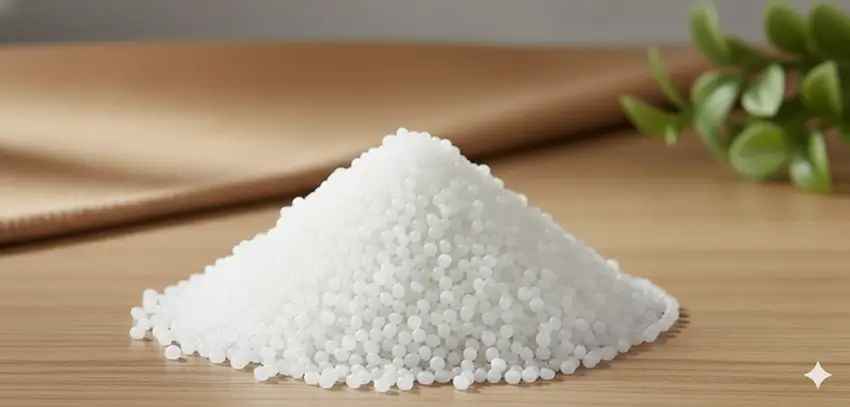
How Additives and Technical Compounding Optimize PP Compounds for Export?
Polypropylene compounds achieve their superior performance and market versatility through the precise integration of various fillers and additives and functional components during the compounding process. At Amizeh Polymer Spadana, our technical expertise ensures that your PP materials are optimized to meet the most challenging international requirements.
We utilize a comprehensive technical approach to customize PP compounds across several key areas:
- Impact Resistance and Stiffness: We incorporate specific modifiers to enhance the material’s toughness, ensuring products are durable in diverse climates, particularly for high-demand areas like cold weather automotive parts. For detailed technical insights and specifications, we encourage you to consult our PP Grades and Specifications Guide.
- Thermal and Environmental Durability: Additives protect the PP structure, ensuring the compound maintains mechanical integrity during high-temperature processing and harsh conditions. Stabilization packages are also crucial; they guard against UV degradation, which is especially vital for materials destined for outdoor applications and recycled material markets.
- Aesthetic and Functional Customization: We utilize high-quality pigments and colorants to achieve precise and consistent color matching, meeting your specific brand identity needs for export. Furthermore, specialized formulations are developed to meet safety-critical needs, such as flame retardancy for electronics, or food-contact compliance for packaging and consumer applications.
This comprehensive technical approach allows us to deliver high-performance PP compounds that are readily available for immediate use in demanding international manufacturing environments.
Why are PP compounds ideal for export in international markets?
Polypropylene (PP) compounds are an excellent choice for export markets due to their reliability, adaptability, and cost-efficiency. Key benefits include:
International Standard Compliance: Produced to meet global quality and safety requirements, ensuring smooth entry into overseas markets.
Durable and Versatile: High strength and impact resistance make them suitable for automotive, packaging, consumer goods, and industrial applications.
Thermal and Chemical Stability: Maintains performance under a range of temperatures and chemical exposures, reducing risk during shipping and storage.
Customizable Formulations: Can be enhanced with additives or masterbatch to meet specific market regulations, performance, or aesthetic needs.
Lightweight and Cost-Effective: Lower density reduces shipping costs and supports efficient production.
Wide Application Range: Used in automotive parts, packaging, household items, electronics, and medical devices worldwide.
Overall, export-ready PP compounds provide high-quality, versatile, and economically efficient solutions, making them a preferred material for international manufacturers and exporters.
Iran’s Competitive Advantage in PP Compound Export 🇮🇷
While many countries export PP compounds, Iran offers a distinct advantage rooted in its unique access to resources and its advanced infrastructure:
Feedstock Cost Efficiency: As a major petrochemical hub, Iran benefits from direct, low-cost access to propane and propylene (the primary feedstock for PP). This allows Amizeh Polymer Spadana to offer highly competitive pricing compared to producers relying on imported raw materials.
Strategic Logistics: Iran’s geographical location provides strategic sea access to the Persian Gulf, the Indian Ocean, and land routes to CIS countries and Turkey. This diversity in transport significantly reduces export transit times and costs for key regional markets.
Experienced Workforce: Decades of operation in the petrochemical and polymer industries have created a highly skilled pool of engineers and R&D specialists focused on material science and quality control.
In-House Quality Assurance: The COA Advantage
While international certifications are important, our primary commitment is to rigorous in-house quality control and transparency for every export batch. We focus on providing precise, verifiable data that ensures our PP compounds perform optimally in your application.
Here is how we ensure your trust:
Advanced Laboratory Testing: Every compound batch undergoes comprehensive testing using state-of-the-art laboratory equipment to verify key properties (e.g., Melt Flow Index (MFI), Density, Tensile Strength, and Impact Resistance).
Certificate of Analysis (COA): We issue a detailed Certificate of Analysis (COA) with every shipment. This document provides the exact test results for the material you receive, ensuring full traceability and data-driven confidence in quality.
Customized Performance Matching: Our R&D team works to ensure our PP compounds meet the performance requirements of specific international standards (e.g., automotive or food-contact safety standards), even if we do not hold the general external certification for that specific market.
Material Safety Data Sheets (MSDS/SDS): All export orders are accompanied by Safety Data Sheets (SDS), confirming compliance with global health and safety guidelines for handling and usage.
Our focus is on verifiable performance, not just general certificates, giving you direct control over material quality.
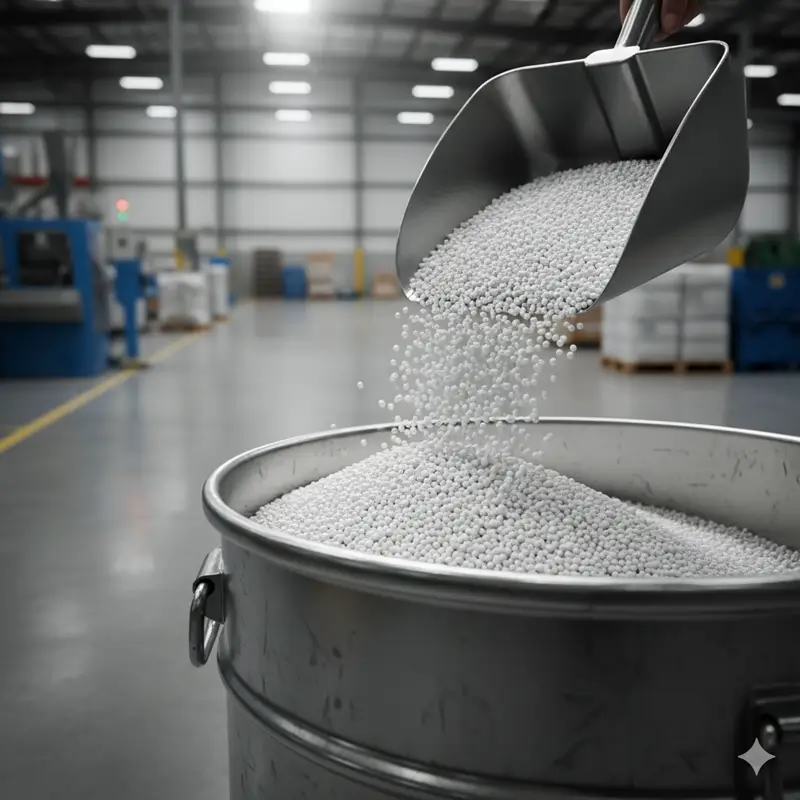
What is the role of masterbatch in enhancing polypropylene compounds for export?
Masterbatch is essential for boosting the performance, consistency, and market acceptance of polypropylene (PP) compounds in international markets. It enables targeted customization without compromising the base polymer’s integrity.
Key contributions of masterbatch to export-ready PP compounds include:
Consistent Color & Aesthetics: Guarantees vibrant, uniform, and repeatable color matching across large batches, essential for brand identity and global client expectations.
Targeted UV & Thermal Stability: Delivers concentrated stabilizers (like HALS) to protect compounds used in outdoor applications (e.g., automotive, construction) from UV degradation and heat.
Enhanced Mechanical Performance: Incorporates specialized impact modifiers and additives that improve the compound’s toughness and durability, critical for cold climates and demanding industrial uses.
Safety & Regulatory Compliance: Allows the precise addition of flame retardants and other functional additives needed to meet specific international safety standards (e.g., in electronics or appliances).
Cost-Effective Customization: Enables efficient, tailored performance without requiring major, costly modifications to the base PP resin or the manufacturer’s production process.
By leveraging masterbatch solutions, we unlock the full potential of PP compounds, ensuring they meet the combined demands of durability, safety, aesthetics, and sustainability for global markets.
What Are the Best UV Stabilization Options for Polypropylene?
Polypropylene (PP) used in outdoor applications can degrade when exposed to ultraviolet (UV) radiation, affecting color, surface quality, and mechanical properties. For export-ready products, UV stabilization is essential to ensure long-term durability and performance. Key options include:
Hindered Amine Light Stabilizers (HALS): Prevent long-term polymer degradation by neutralizing free radicals; ideal for outdoor automotive parts and furniture.
UV Absorbers (UVA): Absorb harmful UV rays and convert them to harmless heat; often combined with HALS for enhanced protection.
Carbon Black: Efficient and cost-effective UV blocker, especially in black-colored applications; absorbs and scatters UV light.
Inorganic Pigments (e.g., TiO₂): Reflect UV rays to improve color stability and partial UV protection.
Stabilizer Blends: Custom formulations combining HALS, UVA, and antioxidants to optimize protection according to application and climate.
At Amizeh Polymer Spadana, our UV-stabilized PP compounds are tailored for export, ensuring products maintain color, mechanical integrity, and long-term performance across diverse international climates.
We prioritize transparency to simplify your purchasing process. Time and volume are critical, and our conditions are designed for efficiency and flexibility.
Minimum Order Quantity (MOQ)
Our MOQ is accessible while ensuring optimal production quality:
PP Compounds: Standard MOQ starts at 1 to 5 Metric Tons (MT).
Custom Formulations: For highly specific grades requiring extensive R&D, the minimum is typically 10 MT to ensure consistency.
Note: For volumes slightly below our standard MOQ, please reach out to our sales team to discuss flexible options for long-term partnerships.
Export Lead Time and Logistics
We focus on speed without compromising the rigorous quality assurance required for export:
Standard Lead Time: Production readiness (EXW) is typically 2 to 3 weeks from order confirmation.
Packaging: Shipped in durable 25 kg sacks or cost-effective 1,000 kg Bulk Bags (FIBCs).
Incoterms: We primarily facilitate transactions using FOB or CFR terms.
Case Study: Flexible Packaging Manufacturer
- Challenge: A packaging company needed a PP compound for food-contact containers that required high thermal stability for sterilization and consistent color matching.
Solution: We provided a custom PP compound with verifiable food-contact compliant additives and implemented a strict spectrophotometer-based color matching process.
Result: Ensured zero color deviation across large batches and helped the client meet the stringent quality requirements for their European customers.
Frequently Asked Questions (FAQ)
How is quality verified for export?
Quality is guaranteed by a detailed Certificate of Analysis (COA) provided with every shipment, verifying key properties like MFI, Density, and Impact Strength from our in-house lab.
Can you match specific RAL or Pantone colors?
Yes. We use high-precision spectrophotometers and masterbatch solutions to ensure precise and consistent color matching across all batches.
What are the best UV stabilization options for PP?
The best options include HALS, UV absorbers, carbon black, titanium dioxide, and custom stabilizer blends.
Do you provide technical support to match existing grades?
Absolutely. Our R&D team works directly with clients to analyze samples or specifications and ensure our custom compound precisely matches the required performance of their current material.
Can polypropylene be recycled?
Yes, It can be reprocessed into various products like containers, automotive parts, and packaging materials. However, the recycling rate varies by region, and contamination or mixed plastics can affect the quality of recycled PP. Proper sorting and clean material help ensure successful recycling.
What is the purchasing process from Amizeh Polymer Spadana?
It’s simple and transparent. Just contact our sales team with your product requirements. We’ll send you a technical quote and lead time. Once confirmed, you can choose a secure payment method. After production, we handle packaging and shipping based on your location. Throughout the process, we keep you updated at every step from order to delivery.
Ready to Secure Your Supply of Export-Ready PP Compounds?
Reach out now for flexible solutions, competitive pricing, and fast delivery. We’re your reliable partner in Iran
To learn more about our full range of polymer solutions, please visit our Home Page.