
Navigating Logistics: A Complete Guide to Exporting Polymers from Iran to Afghanistan
Afghanistan is a landlocked market where imported polymer materials are used in manufacturing, packaging, and other industrial applications. Iran provides a land transportation route for supplying PE (Polyethylene) and PP (Polypropylene) compounds to Afghanistan, with transportation potentially serving destinations such as Herat, Kandahar, and Kabul, depending on the final destination and applicable border procedures.
This guide provides practical information for importers and procurement managers sourcing polymer compounds from Iran to Afghanistan. It covers key aspects of land transportation, including export documentation, border procedures, logistics arrangements, packaging considerations, and factors that may affect transportation timelines.

Need Reliable Polymer Supply to Afghanistan?
Don’t let complex border logistics disrupt your production schedule. Explore the technical specifications of our PE and PP compounds and let our expertise guide your logistics strategy today.
The Strategic Advantage of Sourcing Polymers from Iran for Afghanistan 🇦🇫
Choosing Iran as a source for polymer exports to Afghanistan can offer geographical and logistical advantages for Afghan importers, particularly when road transportation is suitable for the destination and order requirements:
- Geographical Proximity & Speed: Iran’s geographic proximity to Afghanistan can support shorter road transportation distances to Afghan destinations. Actual transportation times depend on the final destination, border conditions, customs procedures, and other logistics factors. This can be relevant for materials such as HDPE Pipe grades, where transportation planning needs to align with project and manufacturing requirements.
- Cost-Effective Overland Transport: Overland road transportation provides a land-based option for moving polymer compounds from Iran to Afghanistan. Transportation costs depend on factors such as order volume, destination, route selection, packaging, and border procedures. This option can be considered for materials such as PP Homopolymer and LDPE Film grades, depending on the requirements of the order.
- Established Infrastructure: Cross-border trade between Iran and Afghanistan involves road transportation and customs processes, although operational conditions can vary by border crossing and other factors. Coordination among exporters, importers, carriers, and customs authorities is important for managing documentation, border procedures, and transportation arrangements. Proper packaging and handling can also help protect polymer compounds such as PP Copolymer during road transportation.
The Primary Trade Corridor: Dogharoun (Iran) to Islam Qala (Afghanistan) 🇦🇫
The Dogharoun–Islam Qala border crossing is a key land route connecting northeastern Iran with western Afghanistan. It provides an important road transportation link for trade between the two countries and can serve destinations such as Herat, depending on the final destination, border conditions, and applicable customs procedures.
Understanding this corridor is important for importers and procurement managers planning the overland transportation of polymer compounds from Iran to Afghanistan.
The Role of Mashhad as a Logistics Hub 🇦🇫
The journey often begins in Mashhad (Khorasan Razavi Province), which can serve as a major starting point for land transportation of polymer compounds to Afghanistan.
Consolidation Point: Due to its proximity to Dogharoun (approximately 250 km), Mashhad is the primary consolidation and customs clearance point for cargo arriving from Southern Iranian petrochemical zones.
Vetting and Documentation: Expert logistics providers utilize Mashhad to finalize all Iranian export declarations, perform pre-transit inspections, and secure the necessary permits before the cargo attempts the border crossing. This proactive documentation check is essential to prevent costly delays at the frontier.
Understanding the Border Crossing Process at Islam Qala 🇦🇫
The actual crossing at Islam Qala (Afghanistan side) presents unique operational challenges that must be expertly navigated:
Transfer of Liability: The cargo typically undergoes a change in tracking and liability management from the Iranian carrier to the Afghan carrier, often requiring a physical change in the trucking company or a transfer of goods.
Customs Assessment: Afghan customs procedures may involve document review and customs assessment. Importers should ensure that the required commercial and customs documentation is complete and consistent with the order details to support the customs clearance process for imported polymer compounds.
Security Risk: Due to historical and regional instability, security vetting and escorts are common, adding a necessary layer of complexity and time to the process.
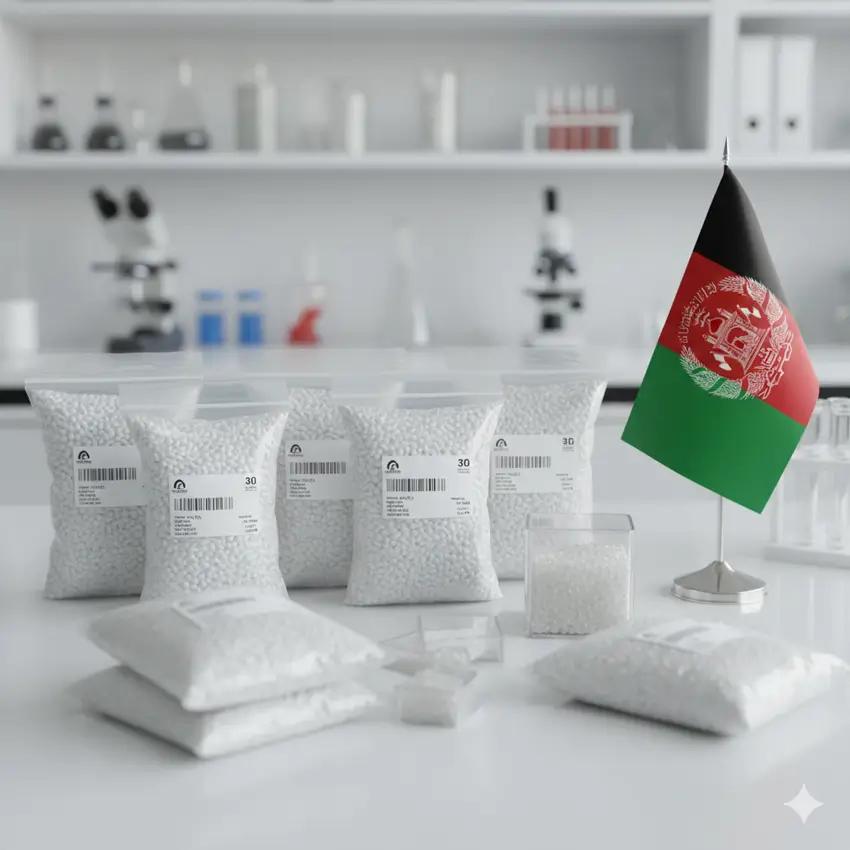
The Export Journey Explained: From Factory to Herat & Kabul 🇦🇫
The polymer export journey is divided into three critical stages, each requiring specialized oversight to maintain the material integrity of the HDPE or PP cargo:
Departure & Iranian Formalities (Dogharoun): The Iranian export customs clearance is finalized. Trucks obtain the transit permit and proceed to the border queue. Expert timing is crucial here to minimize queue time and avoid demurrage.
Border Transit (Islam Qala): This is the most unpredictable phase. It involves security checks, physical inspection, and the final handover of documentation. The truck must proceed to the designated customs zone in Herat or the final destination.
Final Delivery & Afghan Clearance (Herat/Kabul): The polymer materials arrive at the designated Afghan customs post or applicable inland customs facility. The Afghan importer is responsible for completing the relevant customs procedures, duties, and taxes before the materials are released for onward delivery. Amizeh Polymer Spadana coordinates the agreed transportation arrangements up to the designated point, while final customs clearance and onward delivery within Afghanistan remain subject to the importer’s arrangements and local procedures.
Overcoming Common Logistics & Payment Challenges 🇦🇫
The logistical corridor to Afghanistan requires specific strategies to mitigate challenges related to infrastructure and international banking:
Payment & Currency: Payment Terms: Payment terms are agreed upon between the buyer and seller based on factors such as order quantity, product specifications, order value, and other commercial conditions. The applicable payment method and payment schedule are determined according to the terms agreed by both parties for each order.
Road Infrastructure Risk: Beyond Herat, the road network toward centers like Kabul and Kandahar can be rugged and unpredictable. This necessitates securing comprehensive “All-Risks” cargo insurance coverage to protect against theft, accident, or damage during the challenging long-haul road transit.
Weight & Truck Limits: Compliance with applicable Afghan road weight limits is important when arranging road transportation. Excessive vehicle weight may result in operational or regulatory issues, including delays or the need to adjust the load. Weight requirements should therefore be considered when planning the transportation of polymer compounds.
Frequently Asked Questions (FAQ)
How does the choice of border crossing affect customs procedures?
The selected border crossing can affect the applicable customs procedures and the practical steps involved in clearing polymer compounds into Afghanistan. The Dogharoun–Islam Qala corridor is an important land route between Iran and western Afghanistan, while customs procedures may vary depending on the selected crossing, destination, and order details. Importers should ensure that the required commercial and customs documentation is complete and consistent with the order details to help facilitate the customs clearance process.
What is the average expected transit time for land freight from the Iranian warehouse to Herat?
The typical transportation time for polymer compounds from a major Iranian logistics hub such as Mashhad or Tehran to Herat via the Dogharoun–Islam Qala crossing is generally around 7 to 10 days. This timeframe can vary depending on the transportation route, border conditions, customs procedures, and other operational factors. Delays at the border or during customs processing may extend the overall transportation time.
What are the main risks associated with cargo integrity during land transit to Afghanistan?
The primary risk is damage due to road conditions and theft/security issues. The road quality, particularly beyond Herat, can damage poorly packaged goods. It is essential that all polymers (especially those in 25kg bags) are securely palletized, shrink-wrapped, and covered by comprehensive All-Risks cargo insurance that explicitly covers the land transit segment.
Streamline Your Polymer Export to Afghanistan with Amizeh Polymer Spadana 🇦🇫
Mastering the complexities of land freight routes to Afghanistan provides a clear competitive edge, minimizing lead times and maximizing supply reliability. Amizeh Polymer Spadana leverages its extensive border expertise to provide fully managed solutions, ensuring compliance and efficiency from the loading dock to your final receiving point in Herat or Kabul.
Our team has complete expertise in managing land freight to Afghanistan. To view the grades ready for export through official border crossings, use the links below:
Ready for Transportation?
Contact our logistics team to discuss your polymer transportation requirements to Afghanistan and receive information based on your destination, order quantity, and transportation requirements.
Now that you understand our rapid land logistics, explore our export-ready polymer compounds. Our team manages the secure land transport process for buyers in Afghanistan.
View PE Compounds (for Afghanistan) View PP Compounds (for Afghanistan)