
Food Grade Polypropylene Iran | FDA Certified PP Compound
materials that meet rigorous safety standards especially those in direct contact with food and beverages. Food Grade PP Compound is a specialized subset of polypropylene compounds formulated to ensure safety, hygiene, and regulatory compliance in food-related uses.
This type of compound not only delivers the mechanical strength and durability expected from general PP materials but also guarantees no harmful substance migration, making it indispensable in food packaging, kitchenware, and other hygiene-sensitive products.
To explore other high-performance PP compounds in Iran, visit our main PP Compounds in Iran page.
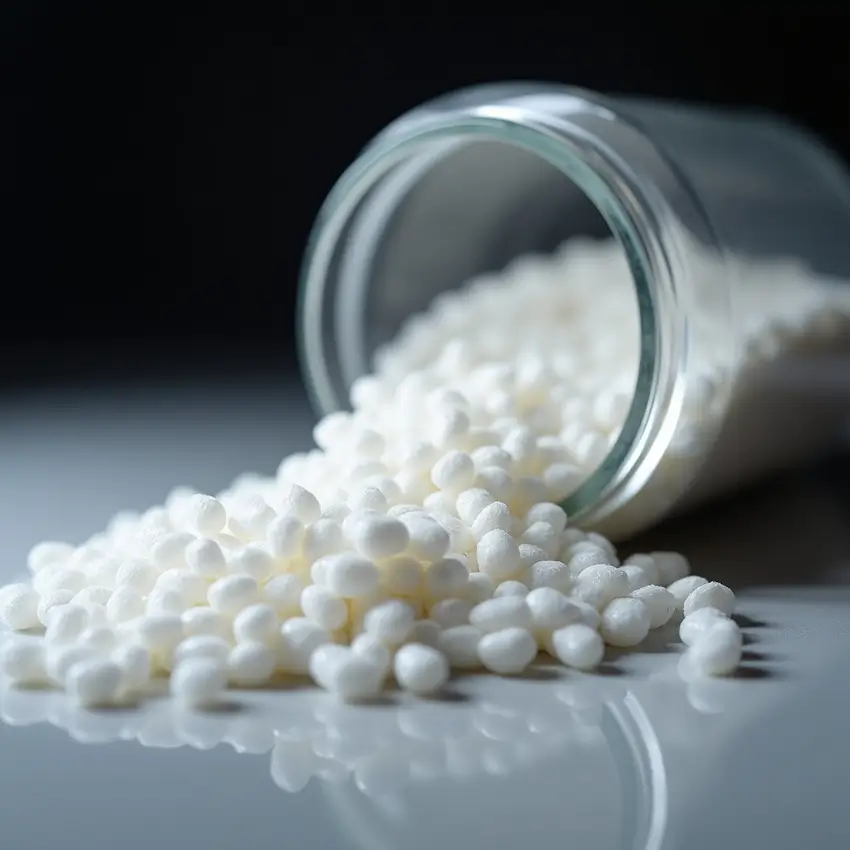
What is Food Grade PP Compound?
Food grade refers to materials that are safe for direct contact with food and beverages without releasing harmful substances. These materials comply with strict health regulations, ensuring consumer safety in applications such as food packaging, kitchenware, storage containers, and beverage bottles.
Choosing a reliable food grade supplier is essential for manufacturers, as poor-quality materials can cause contamination, affect product taste, and lead to regulatory issues. In this context, Iran has emerged as a trusted supplier of food grade polypropylene (PP) compounds, offering high-quality, cost-effective solutions that meet international safety standards.
Key reasons why food grade materials are important:
Health & Safety: Prevents toxic chemical migration into food.
Regulatory Compliance: Meets FDA, EU, and other global standards.
Durability & Performance: Offers heat resistance, impact strength, and long service life.
Global Supply Reliability: Iran’s polymer industry delivers consistent quality and competitive pricing.
When sourcing food grade PP compounds, partnering with a trusted Iranian manufacturer ensures that your products meet both safety requirements and market expectations.
Looking for a reliable PP compound supplier from Iran?
Contact us now via WhatsApp or phone for quick support.
What makes Iran a reliable source of food-grade PP compounds?
Food grade polypropylene (PP) compounds from Iran have become a reliable solution for global food packaging manufacturers. Thanks to Iran’s advanced petrochemical infrastructure and strict compliance with FDA, EU, and ISO food-contact regulations, these compounds ensure outstanding purity, safety, and processing performance.
Iranian food grade polypropylene is ideal for a wide range of applications including food containers, films, hot-fill packaging, and microwaveable trays. Here’s what makes it stand out in international markets:
Certified for safety: Fully compliant with FDA, EU regulations, and ISO 22000 for food-contact safety and global market approval.
High-purity formulation: Produced using virgin-grade feedstock, free from heavy metals, BPA, phthalates, and other restricted substances.
Excellent processability: Designed for injection molding, thermoforming, and film extrusion with stable melt flow and high clarity.
Versatile applications: Perfect for yogurt cups, microwaveable containers, caps and closures, disposable trays, and flexible packaging.
Tested and verified: Each batch is backed by migration testing, odor evaluation, and mechanical performance analysis.
Export-ready packaging: Custom labeling, flexible MOQs, and multilingual documentation support OEM and private-label clients.
With its strategic geographic position, Iran also offers competitive lead times and reduced shipping costs across Asia, the Middle East, and Eastern Europe.
Global Standards for Food-Grade Plastics: Why FDA & EFSA Certifications Matter?
In today’s competitive packaging industry, food safety is no longer optional it’s a prerequisite. At Spadana, we understand that manufacturers of food-contact plastics must comply with globally recognized standards to ensure their materials are safe, clean, and legally approved for use with consumables. That’s why we align our production with the most trusted authorities in the field: the U.S. FDA (Food and Drug Administration) and EFSA (European Food Safety Authority).
As a company aiming to support clients in reaching international markets, Spadana ensures that all food-grade plastic compounds meet or exceed these global food-safety standards. Here’s how our certified materials deliver safety, performance, and peace of mind:
Certified Purity: Spadana compounds are made using virgin, high-purity polymers free from heavy metals, phthalates, BPA, and unauthorized recycled content—ideal for food-contact use.
Migration Compliance: We comply with strict migration limits set by EFSA (Specific Migration Limits – SML) and FDA exposure thresholds to ensure consumer protection.
Technical Documentation: All batches come with full traceability, migration testing data, and a Declaration of Compliance (DoC) to meet audit and regulatory requirements.
Manufacturing Excellence: Our production facilities follow GMP (Good Manufacturing Practices) to maintain product consistency and prevent contamination.
Global Market Readiness: FDA and EFSA approvals enable Spadana products to be shipped confidently to North America, the European Union, and other key regions—empowering our customers to grow globally.
At Spadana, we don’t just produce food-grade plastics! we uphold a promise of safety, transparency, and world-class quality for every customer and every application.
Partner with Spadana to ensure your food-contact products meet the highest global standards. Contact us today to request technical documents, samples, or a custom food-grade solution tailored to your market.
What factors are driving the increasing demand for food-grade polypropylene in the MENA region?
The MENA (Middle East and North Africa) region is witnessing a steady rise in demand for high-performance plastic compounds, particularly food-grade polypropylene (PP). With rapid urbanization, population growth, and a booming food packaging sector, manufacturers across MENA are seeking reliable, safe, and cost-effective materials to meet international standards.
Here’s why the MENA market presents a strong opportunity for exporters and suppliers of food-grade PP compounds:
- Expanding Food Industry: The growth of ready-to-eat meals, food delivery services, and retail packaging is driving demand for hygienic and heat-resistant plastic solutions.
- Regulatory Alignment: Many countries in the MENA region are aligning their food-contact material regulations with FDA and EFSA standards, increasing the demand for certified PP compounds.
- Infrastructure Growth: Investments in logistics, warehousing, and food processing plants are creating a sustainable ecosystem for packaging materials.
- Import Reliance: Several MENA countries rely heavily on imports for specialized compounds, offering a strategic entry point for international brands.
- Custom Solutions Needed: Local converters and OEMs prefer suppliers who can provide customized grades, multilingual support, and flexible MOQs tailored to regional needs.
By fully understanding these regional trends and delivering certified, premium-grade products, brands like Amizeh Polymer Spadana are perfectly positioned to lead the way and meet the growing needs of this fast-evolving market.
Why Choose Certified Suppliers?
In a world where quality, consistency, and trust form the foundation of long-term success, choosing the right supplier is about far more than just sourcing a product or service. Your suppliers are a reflection of your brand they represent the values you deliver to your customers. That’s why partnering with certified suppliers is a smart, strategic decision that strengthens your position in the market.
Certified suppliers have passed rigorous evaluations and hold certifications that prove their commitment to quality, safety, sustainability, and ethical business practices. They don’t just deliver goods, they deliver confidence, credibility, and peace of mind. Here’s why choosing certified suppliers makes a real difference:
Assured Quality of Products and Services: Everything you receive meets verified standards, minimizing errors, defects, and customer dissatisfaction.
Lower Risk in Supply Chain Operations: Certified suppliers are known for their consistency and reliability, reducing the chance of costly disruptions.
Improved Efficiency & Reduced Hidden Costs: Smoother processes, fewer delays, and less rework translate into better performance and significant cost savings.
Stronger, More Professional Support and Communication: Certified partners typically offer faster response times, clearer communication, and a more proactive approach.
Compliance with Legal and Industry-Specific Regulations: From safety regulations to environmental policies, certified suppliers stay fully compliant with current standards.
Sustainability and Social Responsibility: Many certified suppliers are committed to eco-friendly practices and ethical labor standards, aligning with today’s values.
Transparency and Performance Traceability: With thorough documentation, audits, and reporting, you can track performance and ensure full accountability.
Choosing a certified supplier is not just a business decision, it’s a long-term investment in your brand’s integrity, customer satisfaction, and sustainable growth.
Now is the time to take the smart step. Partner with certified suppliers through Amizeh Polymer Spadana and elevate your supply chain with quality, reliability, and performance you can trust.
Partner with Amizeh Polymer Spadana! a certified, trusted supplier that brings quality, consistency, and compliance to your supply chain. Let’s build a future where your brand stands out for its reliability and responsibility.
Get in touch today and take the first step toward smarter sourcing.
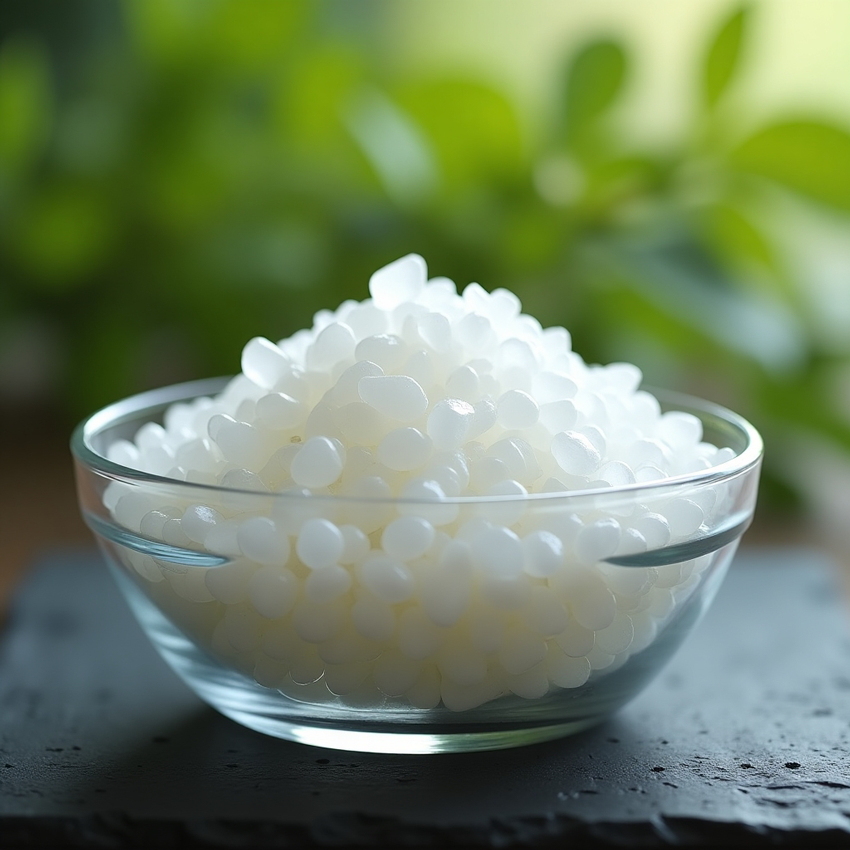
What is melt flow rate (MFR) and why is purity important in polymers?
In the polymer industry, purity and melt flow rate (MFR) are fundamental parameters that directly impact the quality, processability, and final application of polymer products.
- Purity reflects the percentage of pure polymer content in a material. High purity means fewer impurities and additives, resulting in better mechanical properties, chemical resistance, and consistent performance.
Melt Flow Rate (MFR) measures how easily a polymer melts and flows under specific temperature and load conditions. This value is critical for determining the polymer’s suitability for different processing methods such as injection molding, extrusion, or blow molding. A low MFR indicates a high molecular weight polymer with slower flow, suitable for durable products, while a high MFR means lower molecular weight and easier flow, ideal for thin-walled or detailed parts.
Understanding these parameters helps manufacturers and engineers choose the right polymer grade tailored to their production requirements and desired product characteristics.
| Parameter | Typical Range | Test Standard |
|---|---|---|
| Purity (%) | 98% – 100% | ASTM D1505, ISO 1628 |
| Melt Flow Rate (g/10 min) | 0.1 – 50 | ASTM D1238, ISO 1133 |
| Melt Flow Index (MFI) | Same as MFR | ASTM D1238 |
| Melt Flow Temperature (°C) | Typically 190 – 230°C | ASTM D1238 |
| Impurity Level (%) | <2% | Various |
What are the key hygienic packaging requirements to ensure product safety?
Ensuring product safety through hygienic packaging is essential across many industries, especially food, pharmaceuticals, and cosmetics. Proper packaging protects products from contamination, preserves their quality, and helps maintain consumer trust. To achieve these goals, specific hygienic packaging requirements must be followed throughout the production, handling, and distribution processes. Essential hygienic packaging standards involve:
Use of Safe Materials: Packaging materials must be non-toxic, food-grade (if applicable), and free from harmful chemicals to avoid contaminating the product.
Moisture and Contaminant Resistance: Materials should prevent moisture ingress and block bacteria, dust, and other contaminants.
Clean Production Environment: Packaging must be produced and handled in clean, sterilized environments to minimize microbial contamination.
Effective Sealing and Tamper Evidence: Seals should be secure to protect the product from exposure and tampering during transport and storage.
Design for Easy Cleaning: Packaging should allow for easy cleaning if reused or handled multiple times during processing.
Compliance with Regulations: All packaging must meet relevant industry standards and legal hygiene requirements to guarantee safety and quality.
By implementing these requirements, companies can ensure that their products remain safe, fresh, and reliable from the factory floor to the consumer’s hands.
Ensure the safety and quality of your products with hygienic, industry-standard packaging. Contact Amizeh Polymer Spadana today and experience the best polymer packaging solutions! Quality you can trust, the choice is yours.
Can I Get a Food-Contact Certificate?
When it comes to materials used in food packaging or processing, safety is not optional, it’s essential. A food-contact certificate is an official document that confirms a material or product is safe for direct contact with food, without causing contamination or health risks.
Obtaining this certificate involves strict testing and compliance with rigorous standards set by regulatory bodies such as the FDA, EFSA, or national authorities. It covers aspects like chemical composition, migration limits, and hygienic manufacturing practices.
For manufacturers and suppliers, having a food-contact certificate is a strong mark of credibility and responsibility. It assures customers and partners that the product is not only compliant, but also safe and reliable for use in food-related applications.
Amizeh Polymer Spadana is committed to providing high-quality polymer products that fully meet food-contact safety standards. With certified materials and careful production processes, we deliver reliable solutions for even the most sensitive food industry needs.
What is batch testing and why is it important in polymer manufacturing?
In manufacturing industries especially polymers, pharmaceuticals, food, and chemicals, batch testing plays a critical role in quality control. It ensures that each production batch meets defined standards before being released to the market.
During this process, a representative sample is taken from each batch and tested to verify essential properties such as chemical composition, mechanical strength, melt flow index, purity, and overall safety. These tests help identify inconsistencies, contamination, or defects early, preventing flawed products from reaching customers.
The typical steps of a batch testing procedure include:
Sample Collection: A carefully selected portion of the batch is taken to represent the entire lot.
Laboratory Testing: The sample is tested using calibrated instruments and standardized industry methods.
Result Evaluation: Results are compared against predetermined specifications and compliance requirements.
Approval or Rejection: Batches that pass are approved for release; those that fail may be reprocessed or discarded.
Documentation: All data and decisions are recorded for quality tracking and audits.
By following strict batch testing protocols, companies like Amizeh Polymer Spadana ensure consistent product quality, safety, and customer satisfaction, batch after batch.
Shelf Life of Compounds: Why It Matters More Than You Think?
In the polymer industry, shelf life isn’t just a date on a label, it’s a key indicator of a compound’s long-term stability, performance, and safety. The shelf life of polymer compounds refers to the period during which the material retains its intended properties, such as melt flow, mechanical strength, color, and chemical resistance, under recommended storage conditions.
Several factors influence the shelf life of compounds:
Formulation: The type and ratio of raw materials, additives, stabilizers, and fillers can significantly impact stability over time.
Storage Conditions: Exposure to moisture, heat, UV light, and air can accelerate degradation. Proper packaging and controlled environments are critical.
Processing Method: How the compound is mixed, extruded, or pelletized can affect its resistance to aging.
Intended Use: Applications requiring high precision or contact with food may have stricter shelf life expectations.
At Amizeh Polymer Spadana, we pay close attention to each of these factors to ensure that our compounds maintain consistent performance throughout their expected shelf life. Whether your application demands months or years of stability, we deliver materials that are reliable, safe, and ready to perform when and where you need them.
Wondering how to store your polymer compounds for maximum shelf life? Contact Amizeh Polymer Spadana for expert guidance and trusted solutions.
Frequently Asked Questions (FAQ)
What factors can reduce the shelf life of compounds?
Exposure to moisture, heat, UV light, and oxygen can accelerate degradation and shorten shelf life.
Does shelf life affect the mechanical properties of the material?
Yes, improper storage over time can impact melt flow, strength, flexibility, and other key characteristics.
How can I extend the shelf life of my polymer compounds?
Store materials in cool, dry, and dark conditions, using protective packaging to minimize environmental exposure.
Are these compounds safe for hot-fill or microwaveable applications
Yes, our formulations are thermally stable and designed for high-temperature food applications such as hot-fill containers, microwaveable trays, and boiling-resistant packaging.
What packaging options are available for food-grade compounds
We offer clean, moisture-proof packaging in 25kg PE-lined bags or jumbo bags. All materials are handled in a hygienic environment to prevent contamination.
Looking for premium Food Grade PP Compounds you can trust?
Get in touch with our specialists now to discover tailored, safe, and sustainable solutions that elevate your product quality and ensure compliance with all food safety standards. Don’t compromise. choose excellence for your brand’s future.
Ready to source high-quality PP compounds tailored to your needs?
Get in touch today — our team is here to assist you every step of the way.
Want to explore more about our products and services? Return to the homepage and discover what Amizeh Polymer Spadana has to offer.