
Filler & Calcium Carbonate PP Compounds in Iran
Filler & Calcium Carbonate PP Compounds in Iran are among the most demanded modified polymers in the plastics industry. These materials are considered a key subcategory of PP Compounds in Iran, offering manufacturers a cost-effective way to improve stiffness, thermal stability, and dimensional consistency while reducing production costs.
In Iran, the use of calcium carbonate filler in polypropylene has grown rapidly thanks to competitive production costs, availability of local CaCO₃ resources, and the expanding export potential of polymer compounds. This makes filler-based PP compounds an attractive solution for applications in packaging, automotive, consumer goods, and household appliances.
Looking for a reliable PP compound supplier from Iran?
Contact us now via WhatsApp or phone for quick support.
What Are Filler & Calcium Carbonate PP Compounds?
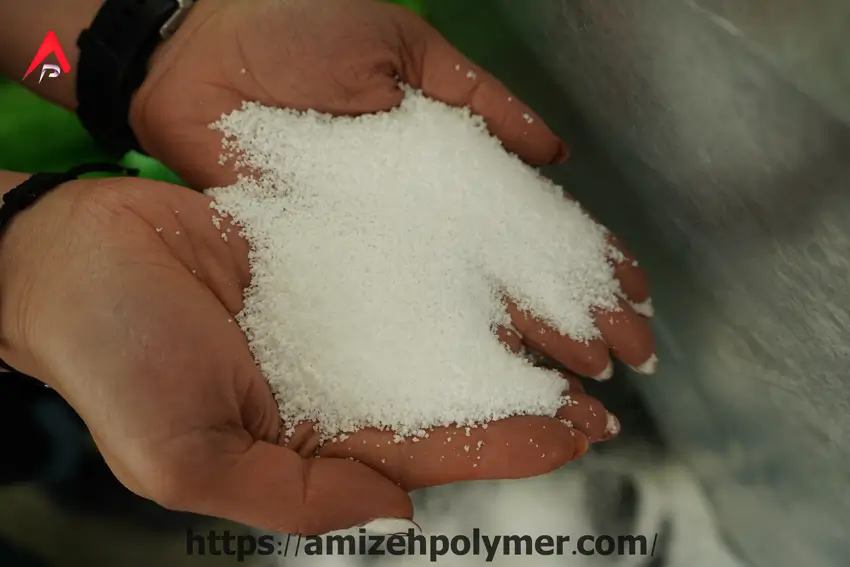
Calcium carbonate polypropylene compounds are modified PP materials enhanced with CaCO₃ filler to improve performance and reduce cost. Widely used in Iran, these compounds offer both industrial efficiency and export potential. These compounds are designed to:
Reduce production costs by replacing a portion of PP with an affordable mineral filler.
Improve mechanical properties, such as rigidity and dimensional stability.
Enhance thermal resistance and surface appearance.
Provide versatility for applications in automotive, packaging, household appliances, and construction.
They are widely produced in Iran due to abundant CaCO₃ resources and competitive manufacturing costs, making them a popular choice for both domestic use and export markets.
What are the advantages of calcium carbonate PP compounds?
Calcium carbonate (CaCO₃) filled PP compounds provide a cost-effective and high-performance solution for manufacturers:
Cost Reduction: Replacing part of polypropylene with CaCO3 lowers material costs. Another common cost-saving alternative is [Recycled PP Compounds from Iran], widely used in packaging and automotive applications.
Rigidity & Dimensional Stability: Improves stiffness and maintains shape under heat and stress.
Better Processability & Printability: Easier molding and high-quality surface for printing or coating.
Enhanced Thermal Resistance: Higher heat resistance compared to pure PP.
Improved Surface Appearance: Smoother, whiter, and more attractive finished products.
Quick Comparison: PP vs PP + CaCO₃
| Property | Pure PP | PP + CaCO₃ |
|---|---|---|
| Cost | Higher | Lower |
| Rigidity | Medium | High |
| MFI (g/10min) | 12 | 10–11 |
| Density (g/cm³) | 0.905 | 1.05 |
| Color/Surface | Yellow/Standard | White/Smooth & Glossy |
Comparison with Talc-Filled PP:
- Lower cost than talc-filled compounds.
- Better surface finish and color uniformity.
- Maintains comparable rigidity and suitable for automotive, packaging, and household applications.
This cost difference makes CaCO₃ a strategically advantageous choice for high-volume manufacturing in Iran.
For detailed datasheets and pricing of PP+CaCO₃ compounds, contact Amizeh Polymer Spadana and benefit from competitive quality and cost
What are the industrial applications of CaCO₃ filled PP compounds?
Calcium carbonate (CaCO₃) filled PP compounds are versatile materials widely used in various industries due to their cost-effectiveness and performance benefits. Key applications include:
Packaging: Films, sheets, trays, and rigid containers for food and consumer goods(CaCO₃ filled PP for packaging).
Automotive Industry: Dashboards, interior trims, and [other durable vehicle components]
Household Appliances & Kitchenware: Durable and aesthetically appealing products.
Construction & General Injection Molding: Pipes, profiles, and structural plastic parts for building and industrial use.
Besides calcium carbonate filled PP compounds, other modified polypropylene (PP) grades are widely used in different industries:
Talc filled PP compounds → Known for their excellent dimensional stability, heat resistance, and stiffness, making them suitable for automotive interior parts and appliances.
Glass fiber reinforced PP compounds → Provide high strength, durability, and impact resistance, commonly applied in automotive bumpers, under-the-hood parts, and industrial components.
PP in packaging industry → Lightweight, cost-effective, and recyclable, PP compounds are widely used in food packaging, containers, and consumer goods.
Export Markets: Supplied by reliable Polypropylene compounds suppliers in Iran like Amizeh Polymer Spadana for regional and global markets.
What are the technical specifications of CaCO₃ filled PP compounds?
Calcium carbonate (CaCO₃) filled PP compounds are engineered to optimize mechanical, thermal, and surface properties. Key technical specifications include:
Filler Content (10–50%):
Higher CaCO₃ content increases rigidity and dimensional stability.
Slight reduction in impact strength is a trade-off at higher filler levels.
Melt Flow Index (MFI):
Adding CaCO₃ can slightly decrease MFI, affecting processability.
Proper formulations maintain smooth injection molding and extrusion.
Color & Surface Properties:
Improved whiteness and brightness.
Smooth, uniform surface ideal for printing, coating, and decorative finishes.
Comparison with Talc-Filled PP:
Lower cost than talc-filled compounds.
Better surface finish and color uniformity.
Maintains comparable rigidity and suitable for automotive, packaging, and household applications.
Why is Iran a competitive supplier of CaCO₃ filled PP compounds?
Iran has become a strong player in the PP filler compounds market due to several key factors:
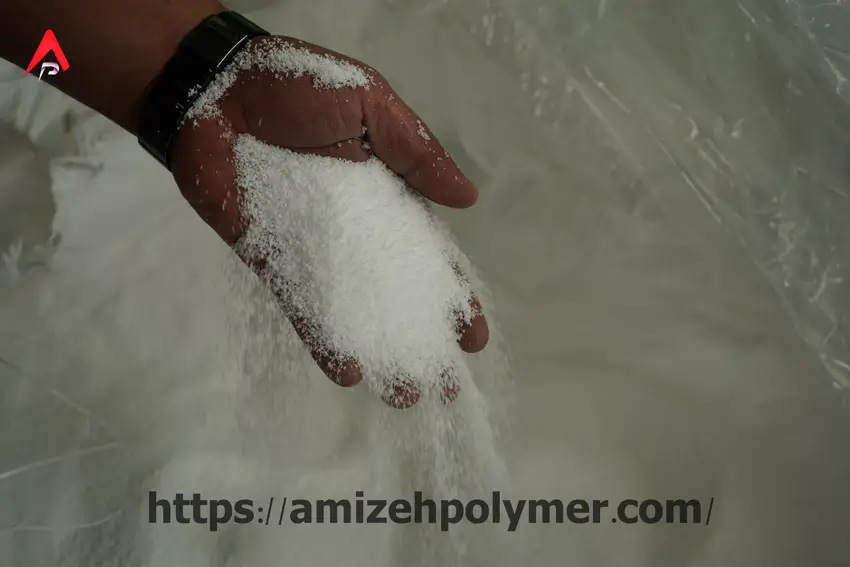
Abundant CaCO₃ Resources: High-quality calcium carbonate deposits reduce raw material costs.
Low Production Costs: Competitive manufacturing ensures affordable PP + CaCO₃ compounds for domestic and export markets.
Established Manufacturing Industry: Experienced Polypropylene compounds suppliers in Iran deliver consistent quality and volume.
Strategic Export Location: Easy access to Turkey, Central Asia, Africa, and regional markets reduces shipping costs.
Alignment with Global Trends: Demand for sustainable and cost-effective materials positions Iran’s CaCO₃ filled PP compounds as a preferred choice.
Reliable Suppliers: Companies like Amizeh Polymer Spadana provide high-quality, export-ready PP filler compounds with customization options.
What are the main challenges in producing CaCO₃ filled PP compounds?
While CaCO₃ filled PP compounds offer many advantages, manufacturers must address several challenges to ensure consistent quality:
Uniform Filler Distribution: Ensuring even dispersion of CaCO₃ in the PP matrix is critical for maintaining mechanical properties and surface finish.
Impact Strength Reduction: Higher filler content can reduce impact resistance; using modifiers or impact enhancers helps balance stiffness and toughness.
Particle Size of CaCO₃: Proper selection and control of CaCO₃ particle size is essential for optimal flow, surface quality, and mechanical performance.
Conclusion
Calcium carbonate (CaCO₃) filled PP compounds offer multiple advantages for manufacturers:
Cost-effective: Lower production costs compared to pure PP.
Enhanced Mechanical Properties: Improved rigidity, dimensional stability, and thermal resistance.
Versatile Applications: Suitable for automotive, packaging, household appliances, and construction industries.
High-Quality Surface Finish: Whiter and smoother products for better aesthetics.
Iran as an Export Hub:
Leveraging abundant CaCO₃ resources and competitive production costs, Iran is emerging as a key supplier of PP filler compounds for regional and international markets.
Frequently Asked Questions (FAQ)
Can CaCO3 filled PP compounds be used for rigid containers in the Food Packaging industry?
Yes. CaCO3 is often used in food-grade applications because it significantly improves the rigidity and dimensional stability of the containers. This ensures the packaging maintains its shape during filling, handling, and stacking. When manufactured under strict quality control, these compounds meet the necessary regulations for contact with food (Food Contact Materials).
Can we receive a technical data sheet (TDS) before placing an order?
Absolutely. We strongly encourage full transparency. You can request a detailed Technical Data Sheet (TDS) for any specific compound grade before placing your order, which includes comprehensive physical and mechanical property values.
Can CaCO₃ filled PP compounds be used for export markets?
Yes, widely exported to Turkey, Central Asia, Africa
High-quality compounds suitable for international standards.
Are CaCO₃ filled PP compounds cost-effective?
Yes, reduces raw material costs while maintaining performance.
Can CaCO₃ filled PP be used in automotive interior parts?
Yes, suitable for dashboards, trims, and interior components.
Can you develop a compound with enhanced UV stability for outdoor applications?
Yes. Although is primarily for rigidity and cost, we specialize in adding robust UV stabilization packages during compounding. This modification extends the material’s lifespan and prevents color degradation and embrittlement for outdoor consumer goods (e.g., garden furniture or construction parts).
Why choose Amizeh Polymer Spadana for PP + CaCO₃ compounds?
Reliable quality and consistency
Customizable formulations
Export-ready products with competitive pricing
Ready to source high-quality PP compounds tailored to your needs?
Get in touch today — our team is here to assist you every step of the way.
Looking for more knowledge about PP compounds? Continue your exploration on our homepage.