
Best PP Grades for Automotive in Iran
Best PP Grades for Automotive in Iran are shaping the future of the automotive industry. As part of polypropylene compounds (PP compounds), they are valued for being lightweight, cost-effective, and offering an excellent balance of mechanical and thermal properties. By replacing heavier materials, automotive PP compounds reduce fuel consumption, improve efficiency, and support global sustainability goals.
In Iran, demand for automotive PP compounds is rising due to local car production, export growth, and the global move toward recyclable materials. Knowing which PP grades are best for automotive applications helps manufacturers cut costs, improve performance, and stay competitive in both local and international markets.
Automakers already rely on polypropylene compounds for bumpers, dashboards, trims, and under-the-hood parts making them one of the best solutions for modern vehicle design. In this article, we highlight the best PP grades for automotive in Iran and their role in performance, cost efficiency, and global competitiveness.
Looking for a reliable PP compound supplier from Iran?
Contact us now via WhatsApp or phone for quick support.
Overview of PP Compounds in the Automotive Industry
PP compounds in automotive applications have become increasingly popular due to their role as lightweight materials for cars. Their excellent balance of strength, flexibility, and thermal stability allows automakers to reduce vehicle weight, improve fuel efficiency, and meet environmental standards. These versatile materials are widely used in bumpers, dashboards, interior trims, and under-the-hood parts, providing a cost-effective and high-performance solution for modern vehicle design. Various PP grades, engineered for different mechanical and thermal properties, are widely applied in automotive components, which we will discuss in detail later in this article…
For a detailed look at the most popular automotive PP grades and their specific applications, check out our in-depth article on Automotive PP Grades.
Which PP compound grade is best for automotive applications?
Polypropylene (PP) compounds are essential materials in modern automotive design due to their lightweight nature, durability, and adaptability to complex geometries. In Iran, three high-demand grades H250, H350, and H550 have gained traction among OEMs and aftermarket suppliers. Each of these grades is engineered with specific mechanical, thermal, and targets in mind, allowing manufacturers to match material performance precisely with application needs from interior trims and dashboards to bumpers and under-the-hood parts. Automotive PP compounds come in several key grades, each tailored to specific performance and manufacturing needs:
H250: Known for balanced mechanical strength and good impact resistance, ideal for interior parts like dashboards and door panels.
H350: Offers enhanced thermal stability and toughness, suitable for under-the-hood components and battery trays.
H550: High-performance grade with superior impact resistance and durability, perfect for structural parts and exterior applications.
Each grade is engineered to deliver the optimal combination of lightweight design, durability, and processability to meet the demanding standards of the automotive industry.
What is H250 PP compound used for in automotive?
- Versatile Application: H250 is commonly used for a variety of automotive parts including bumpers, dashboards, battery trays, interior trims, and door panels.
Balanced Mechanical Properties: It offers an optimal combination of tensile strength and impact resistance, ensuring durability under daily wear and tear.
Thermal Stability: Suitable for parts exposed to moderate heat, maintaining performance without deformation.
Lightweight Material: Helps reduce overall vehicle weight, contributing to improved fuel efficiency and lower emissions.
Excellent Processability: Designed for efficient injection molding with fast cycle times, making it ideal for mass production.
Cost-Effective Solution: Provides a good balance between performance and cost, supporting competitive pricing for automotive manufacturers.
Surface Finish Quality: Produces parts with smooth surfaces suitable for painting or further finishing processes.
Compliance: Meets industry standards for automotive safety and durability, making it a trusted choice among OEMs.
What is H350 PP compound used for in automotive?
Structural Components: H350 is widely used for parts requiring enhanced stiffness and dimensional stability, such as instrument panel carriers, center consoles, and interior brackets.
High Heat Resistance: With better thermal performance than lower-grade PP compounds, it’s ideal for components near the engine or HVAC systems.
Reinforced Formulation: Typically filled with 👉 mineral fillers such as CaCO₃ or glass fibers, H350 offers superior rigidity without compromising durability.
Precision Fit: Ensures stable part geometry even under thermal cycling, reducing warpage in complex molded parts.
Enhanced Aesthetics: Delivers a clean surface finish suitable for visible interior trims or panels with decorative overlays.
Efficient Processing: Maintains good flow properties for injection molding, supporting efficient, repeatable manufacturing.
Regulatory Compliance: Designed to meet automotive OEM requirements for mechanical performance, emissions, and long-term reliability.
What is H550 PP compound used for in automotive?
Heavy-Duty Exterior Applications: H550 is engineered for high-load exterior parts such as bumper reinforcements, fender liners, and underbody shields where superior strength is essential.
High Impact Resistance: This grade offers exceptional impact strength, making it ideal for parts exposed to road debris, vibration, or low-temperature impacts.
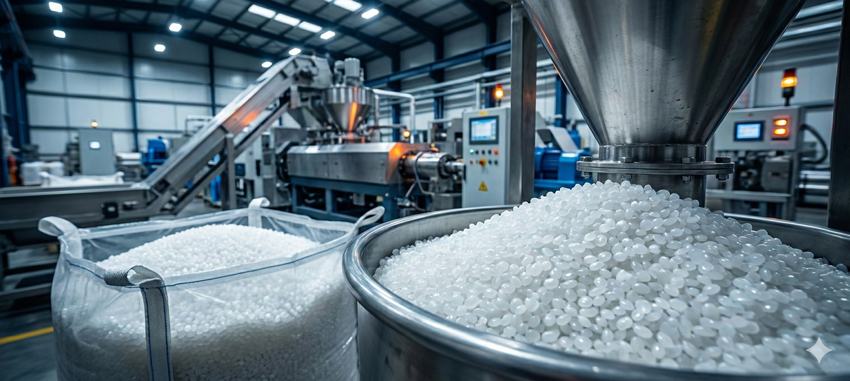
Glass Fiber Reinforced: Typically reinforced with 👉 glass fiber and CaCO₃ reinforced compounds, H550 delivers high stiffness and dimensional stability under demanding conditions. This reinforcement with glass fibers allows for the replacement of heavier, more expensive metal parts, significantly reducing the overall structural cost of the project.
Thermal Stability: Performs well in environments with fluctuating temperatures, maintaining mechanical integrity in both hot and cold climates.
UV & Weather Resistant: Special additives ensure long-term performance against sunlight, moisture, and environmental degradation — critical for exterior use.
OEM-Approved Performance: Often formulated to meet automotive manufacturers’ specifications for structural reliability and crash resistance.
Consistent Processing: Despite its reinforcement, H550 supports efficient processing in injection molding lines, minimizing cycle times.
H250 vs H350 vs H550 in Automotive
| PP Grade | Main Use | Key Benefit |
|---|---|---|
| H250 | Battery trays, interior trims | Cost-effective balance |
| H350 | Dashboards, consoles | Strength vs aesthetics |
| H550 | Bumper cores, fender liners | High rigidity + durability |
What is Heat Deflection Temperature (HDT)?
Heat Deflection Temperature (HDT) is a critical property that measures a material’s ability to withstand deformation under a specific load at elevated temperatures. For automotive polypropylene (PP) compounds, HDT defines the upper temperature limit where parts maintain their shape and mechanical integrity during daily use.
In automotive applications, components such as engine covers, interior trims, and under-the-hood parts are often exposed to high temperatures. A high HDT value ensures these PP compounds resist warping, softening, or failure when subjected to heat from the engine or external environment.
Why HDT Matters in Automotive PP Compounds?
- Maintains Structural Stability: High HDT prevents parts from bending or deforming, ensuring consistent performance in hot conditions.
- Enhances Safety: Components retain their strength and function even under thermal stress, contributing to overall vehicle safety.
- Improves Longevity: Materials with superior HDT values withstand long-term exposure to heat without losing mechanical properties.
- Supports Under-the-Hood Applications: Suitable for engine bay parts where temperature fluctuations are common.
- Reduces Maintenance Costs: Durable heat-resistant parts require fewer replacements and repairs.
- Meets Regional Needs: In markets like Iran, where summer temperatures can be extreme, HDT is a key factor in material selection.
we develop automotive PP compounds with tailored HDT levels to meet the specific demands of regional climates and automotive standards. Our expertise ensures you get reliable, heat-resistant materials that support both performance and cost efficiency.
Can Iranian PP compounds meet global automotive standards and compete in exports?
The market for PP compounds in Iran for the automotive industry is growing rapidly, with Iranian manufacturers supplying high-demand grades such as H250, H350, and H550 to meet both domestic and export needs. Key highlights of the market include:
Capacity of Iranian Manufacturers:
Large and medium-sized producers in Iran can provide a wide range of PP grades for interior and exterior automotive components, focusing on quality, process stability, and competitiveness with international alternatives.Production and Consumption Trends:
Domestic demand for automotive PP compounds has risen alongside Iran’s growing car production. Simultaneously, production capacity for exports is increasing, creating significant opportunities in regional and international markets.Opportunities and Challenges in the Global Market:
Opportunities: Growing global demand for lightweight, cost-effective, and durable materials, especially in neighboring countries and target export markets.
Challenges: Meeting international standards, competing with global brands, and managing production and shipping costs efficiently.
Iran’s Competitive Advantage:
The combination of quality, competitive pricing, and customizable PP grades positions Iran as a strategic player in the polypropylene automotive market for regional and export sales.
Commitment to OEM Performance & Global Testing Standards
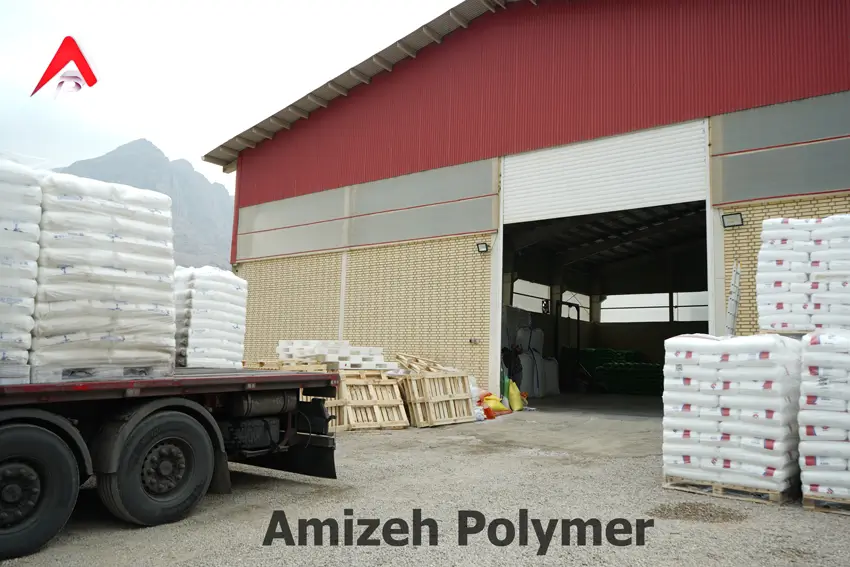
Amizeh Polymer Spadana ensures the performance of its final compounds aligns with the rigorous specifications of global automotive manufacturers. Critical properties (MFI, Density, Impact) are tested and verified using recognized international methodologies (ISO/ASTM) in our in-house lab. For specific export projects, we provide comprehensive documentation and Certificates of Analysis (COA) to verify that the final compound meets the exact OEM performance required for your specific part. Contact us now to receive a transparent FOB or CIF pricing quote, including competitive logistics and shipping costs to your final port.
What are the economic and environmental benefits of using automotive PP compounds in Iran?
Fuel Efficiency & Lightweight Advantage:
Using lightweight PP compounds in automotive reduces overall vehicle weight, which lowers fuel consumption and emissions, supporting both cost savings and environmental compliance.Cost-Effective Production:
PP compounds offer an excellent balance of performance and affordability. Manufacturers can achieve durable, high-quality automotive parts without over-engineering, reducing material and production costs.Recyclability & Sustainability:
Many automotive PP compounds can incorporate recycled content, enabling eco-friendly production and compliance with global sustainability standards. This contributes to circular economy goals while maintaining mechanical and thermal performance.Durability & Longevity:
PP compounds resist impact, heat, and environmental degradation, ensuring long-lasting vehicle components and reducing replacement and maintenance costs.Global Market Competitiveness:
By adopting sustainable, high-performance PP compounds, Iranian manufacturers can meet international regulations and appeal to eco-conscious buyers, boosting automotive PP compounds export from Iran.
Looking to enhance fuel efficiency, sustainability, and durability in your automotive products? Contact Amizeh Polymer Spadana to discover high-performance PP compounds that optimize cost, performance, and global market competitiveness
How are automotive PP compounds molded and extruded?
Automotive PP compounds require precise engineering for high-performance, durable parts. Production typically uses injection molding and extrusion, ensuring consistency and dimensional accuracy.
Key Points:
Mechanical & Thermal Performance: Withstand heat, stress, and UV exposure without deformation.
Process Compatibility: Smooth integration with injection molding, extrusion, and thermoforming.
Additives & Reinforcements: Glass fibers, mineral fillers, UV stabilizers, and color masterbatches.
Quality Control: MFI, moisture, and particle dispersion monitored for reliable large-scale production.
This approach allows Iranian manufacturers to produce automotive PP compounds that meet both domestic and international standards efficiently.
How to Choose the Right PP Grade: A Quick Checklist
Choosing the optimal PP compound relies on matching the material’s properties to the part’s function and environment. Use this quick checklist before requesting a quote to streamline your order process:
Application Environment: Is the part used internally (aesthetic, dimensional stability) or externally (UV resistance, high impact)?
Thermal Demand: Will the component be exposed to high heat (e.g., under the hood, requiring H350) or moderate temperatures (H250)?
Structural Requirement: Do you need maximum stiffness and strength (H550, metal replacement) or a cost-effective balance of properties (H250)?
Cost Factor: Is the project primarily driven by low cost (often using CaCO3 filler) or superior long-term performance?
Which countries are importing Iranian PP compounds for automotive use, and what makes them competitive?
Target Export Markets:
Regional countries such as Turkey, Iraq, and Afghanistan show the highest demand for Iranian automotive PP compounds.
International markets in the Middle East and Central Asia offer significant export opportunities.
Competitive Advantages of Iranian PP Grades:
Cost-Effective Production: Competitive pricing compared to European and Asian alternatives.
Tailored Formulations: Grades H250, H350, and H550 engineered for mechanical and thermal requirements in automotive applications.
Flexibility & Customization: Ability to incorporate fillers, glass fibers, and color masterbatches to meet specific international customer needs.
Export Compliance & Standards:
Compliance with international automotive quality and safety standards.
ISO certifications and mechanical/thermal testing to ensure product quality and adherence to destination country regulations.
Growth Opportunities:
Rising global demand for lightweight, durable, and recyclable materials creates strong export potential.
Customizable production and high-quality output provide Iranian manufacturers a competitive advantage in target markets.
What guarantees come with automotive PP compound products?
At Amizeh Polymer Spadana, we provide a strong warranty on performance for our automotive PP compounds, ensuring every product consistently meets the highest standards of durability, heat resistance, and impact strength. Our materials are specially formulated to withstand the demanding conditions of various regional markets, offering long-lasting reliability and superior performance. This commitment not only protects your investment but also supports your manufacturing goals by delivering quality compounds you can trust every time. Here are the main types of warranties commonly offered for automotive PP compounds:
- Performance Warranty: Guarantees that the material will meet specified performance criteria such as impact resistance, heat deflection, and fatigue under defined conditions.
- Quality Warranty: Assures the product is free from manufacturing defects and complies with established quality standards.
- Return/Replacement Warranty: Allows customers to return or exchange the product if issues arise or if they are unsatisfied.
- Lifetime Warranty: Offered in some cases, this warranty reflects the manufacturer’s high confidence in the long-term durability and reliability of the product.
Frequently Asked Questions (FAQ)
How do H250, H350, and H550 differ in performance?
H250 offers balanced mechanical strength and good impact resistance, H350 provides enhanced thermal stability and stiffness, and H550 delivers superior impact resistance, dimensional stability, and glass fiber reinforcement for heavy-duty applications.
Can Iranian PP compounds meet international automotive standards?
Yes. High-quality PP compounds manufactured in Iran are engineered to comply with global OEM specifications, ensuring mechanical performance, thermal resistance, and processability suitable for international markets.
Are automotive PP compounds recyclable and sustainable?
Many PP compounds can incorporate post-consumer or post-industrial recycled content, contributing to eco-friendly production, circular economy goals, and compliance with global sustainability regulations.
How do automotive PP compounds help reduce production costs?
By offering an optimal balance of lightweight design, durability, and processability, PP compounds reduce material usage, minimize cycle times in injection molding or extrusion, and lower long-term maintenance costs.
What are the typical lead times and packaging standards for export orders?
Our production chain is optimized for large-volume orders (500+ Tons/Month capacity). All compounds are delivered in standard export packaging (25kg strong bags or 1000kg bulk bags) to ensure material integrity during long-distance shipping, with confirmed loading within 7-10 days of order finalization.
Where can I source high-quality PP compounds in Iran for export?
Leading Iranian manufacturers like Amizeh Polymer Spadana offer customizable PP compounds for automotive applications, optimized for both domestic production and international export markets.
Ready to start your order?
Contact us now to receive a quote including competitive logistics and shipping costs to your final port.
Explore our high-quality PP compounds available for export. Click the button below to learn more.
View PP Compounds